
Organiser:

Governmental Support:

Sector Support:




Sponsor:

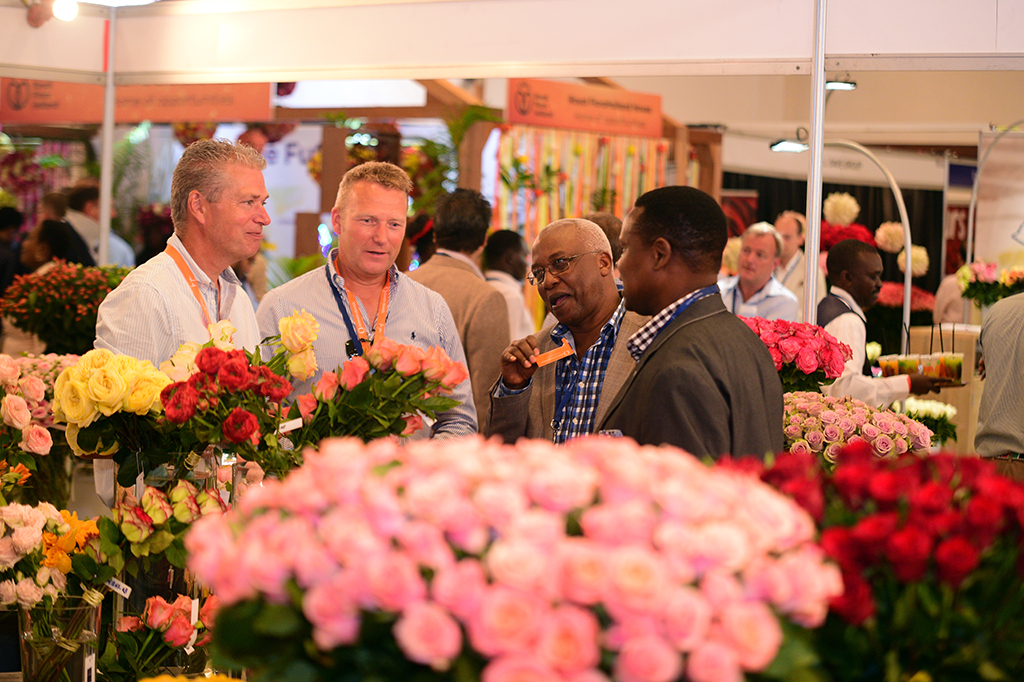
Latest News
KEPROBA and IFTEX held discussions to explore opportunities for strengthening the promotion of Kenya’s floriculture and horticulture exports
Published: October 7, 2026
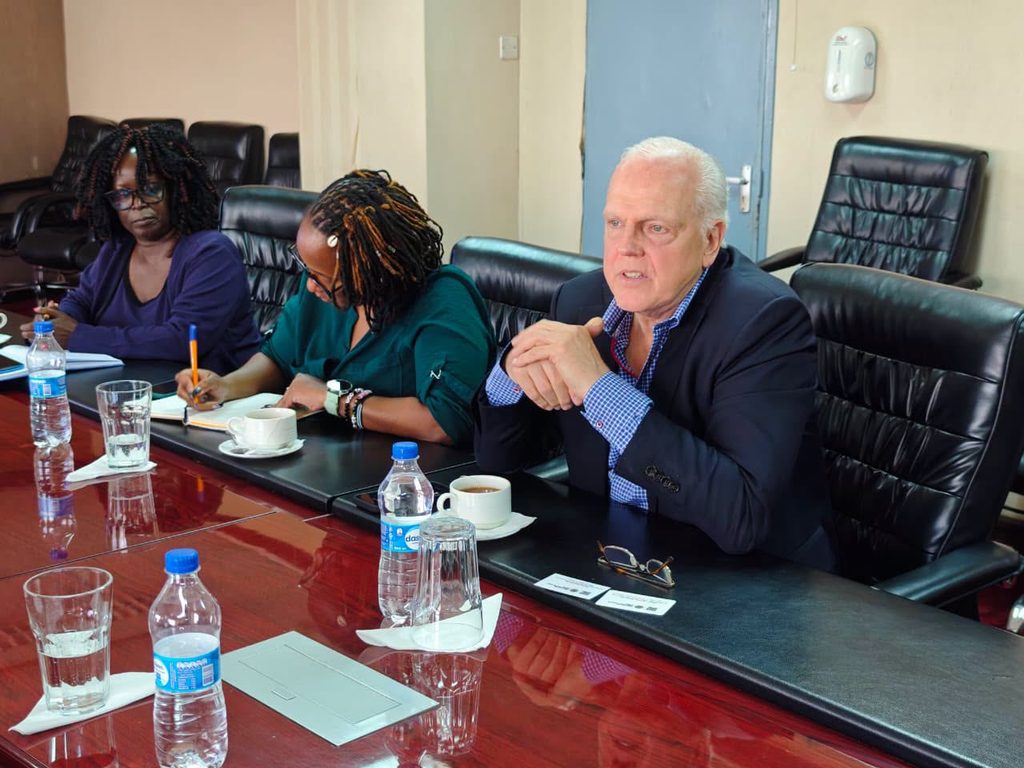
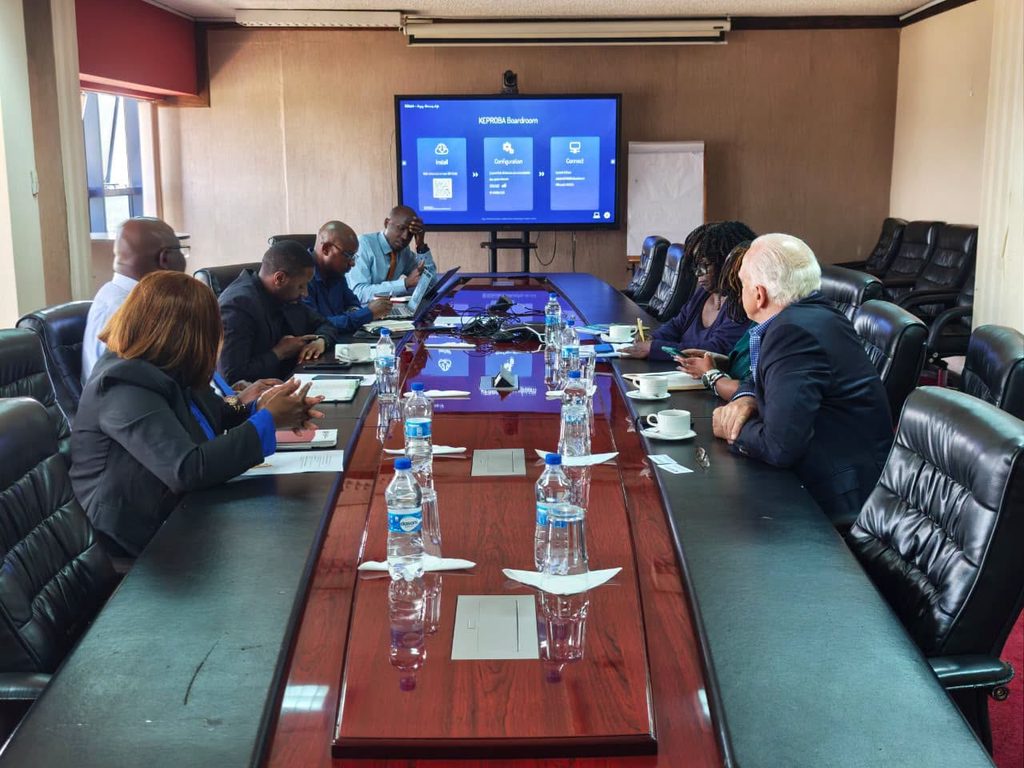
The Kenya Export Promotion and Branding Agency (KEPROBA) held discussions with the International Floriculture Trade Expo (IFTEX) and HPP International team to explore opportunities for strengthening the promotion of Kenya’s floriculture and horticulture exports.

The engagement focused on enhancing Kenya’s participation in international exhibitions, creating stronger buyer linkages, supporting Kenyan SMEs, expanding access to market intelligence and diversifying Kenya’s flower export markets. Discussions also explored closer collaboration towards IFTEX 2027 and other international market-linkage opportunities.
The partnership aims to strengthen connections between Kenyan exporters and international buyers while positioning Kenya’s flowers and horticultural products for greater visibility and growth in global markets.
Source: KEPROBA
Beyond the Presidential Visits: What is Kenya Taking to Botswana and Senegal?
Published: September 16, 2026
The Senegal opportunity has an equally interesting — and rather unexpected — connection to Kenya’s flower industry. During the International Flower Trade Expo (IFTEX) in Nairobi in June, a visitor from Senegal attending the exhibition told HortiNews that Senegal imports flowers from Kenya
When President William Ruto travels to Botswana and Senegal next month, the two State Visits should be watched for more than the diplomatic photographs, formal agreements and business delegations.
For Kenya’s agriculture and horticulture sectors, the more important question is what the country is taking to these markets — and what opportunities Kenyan businesses can bring home.
The President is scheduled to undertake a State Visit to Botswana on October 23–24, followed by Senegal from October 29–31. High-Level Business Roundtables are proposed for October 24 in Botswana and October 30 in Senegal, bringing Kenyan businesses together with investors, government representatives and private-sector counterparts.
Agriculture features prominently on both agendas, but the opportunities are distinctly different. In Botswana, the focus includes livestock and agriculture alongside mining, tourism, real estate, trade and investment. In Senegal, the agriculture agenda specifically includes tea, coffee and horticulture, alongside dairy and milk products, tourism, banking and financial services, infrastructure, trade and investment, and oil and gas.

For Kenya’s livestock sector, Botswana presents an especially interesting opportunity because the relationship between the two countries already includes an exchange of agricultural knowledge.
During a 2024 visit to Kenya, former Botswana President Mokgweetsi Masisi visited the Kenya Animal Genetic Resources Centre, where he was taken through semen production, preservation and processing and discussed opportunities for cooperation in animal husbandry, dairy and beef production. Areas identified for cooperation included breed improvement, feed and fodder and animal disease management.
The relationship is not one-way. Kenya has also looked to Botswana’s experience in livestock identification and traceability, areas increasingly important for disease control, livestock management and access to export markets.
That makes the Botswana engagement more than an opportunity for Kenya to seek investment or sell livestock products. It creates room for Kenya to position its livestock expertise, technology and services in a fellow African market.
There is another, less visible, dimension to that expertise: the people Kenya has trained.
I was reminded of this during an animal-health conference I attended in Gaborone, organised by the World Organisation for Animal Health. In conversations with veterinary professionals from across Africa, the University of Nairobi’s Faculty of Veterinary Medicine came up repeatedly when the subject of professional training arose.
It was a striking reminder that Kenya’s contribution to Africa’s livestock sector is not only in the animals, genetics, technologies or systems it can export. It is also in the people it has trained.
The University of Nairobi’s veterinary faculty has for decades been an important centre for veterinary education, research and professional training, with programmes and research spanning animal health, production, disease surveillance and other areas relevant to the livestock sector. That human capital is itself an African export — one that does not appear in customs statistics.

The commercial opportunity therefore goes beyond the sale of animals. It includes genetics, breeding material, animal health services, feed technologies, equipment, advisory services, digital traceability systems, processing technologies and investment across the livestock value chain.
In other words, Africa is not simply a source of agricultural imports or a destination for Kenyan commodities. It is also a market for Kenyan agricultural expertise and technology.
The Senegal opportunity has an equally interesting — and rather unexpected — connection to Kenya’s flower industry. During the International Flower Trade Expo (IFTEX) in Nairobi in June, a visitor from Senegal attending the exhibition told HortiNews that Senegal imports flowers from Kenya.
He offered another detail that was perhaps even more revealing: Senegal has a small greenhouse flower industry, and some of the technical personnel working in those greenhouses are Kenyans.
The observation provides a glimpse into a relationship that is larger than the movement of flowers from one country to another. Kenya’s horticultural footprint in Senegal also includes the skills, technical knowledge and experience developed by its growers and specialists over decades.
Trade data provide some confirmation of the flower connection. Kenya exported 21,391 kg of fresh cut flowers and buds to Senegal in 2024, valued at about US$107,310. The volumes are modest compared with Kenya’s traditional flower markets, but they establish something important: the trade already exists.

The question now is whether the presidential visit can help move such connections from isolated commercial transactions into a broader business relationship. For Kenya’s flower industry, Senegal could be more than an end market. It could provide an entry point into the wider West African region, particularly as demand for flowers, horticultural products, production technology and technical expertise develops.
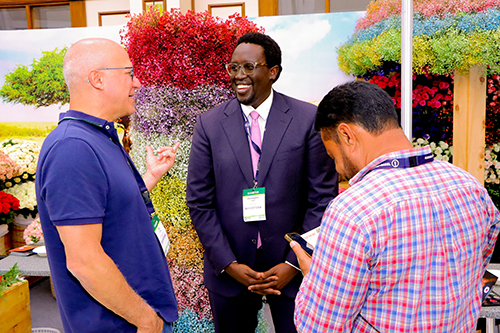
This is where the significance of IFTEX becomes particularly clear. The Senegalese visitor was not simply looking at flowers in Nairobi. He was participating in an exhibition that brings together growers, breeders, exporters, suppliers, investors and other players from across the global flower industry. In the process, he was able to share insights about what is happening in his own market — information that may not appear in conventional trade statistics.
That is precisely the kind of connection Kenya needs to deepen if its agricultural businesses are to look beyond traditional markets. And Senegal’s opportunity extends beyond flowers.
The proposed business agenda specifically identifies tea, coffee and horticulture. Kenya already has globally recognised strengths in all three. Tea and coffee are established export commodities, while horticulture brings with it an entire ecosystem of production technology, logistics, cold chain, certification, packaging, finance, breeding and market development.
There is therefore an opportunity to think about Senegal not merely as a destination for Kenyan products, but as a potential commercial gateway into a much larger West African market.
The same thinking applies to Botswana. Kenya’s livestock sector does not have to approach Botswana only as a market for animals or meat. It can look at the wider value chain — from genetics and breeding to animal health, feed, technology, traceability and processing.
That is where the proposed business roundtables become important. A presidential visit can open doors that individual companies may struggle to open on their own. But the commercial value will ultimately depend on what businesses do with those openings — whether they identify buyers, distributors, investors and local partners, and whether government addresses the practical issues that determine whether trade can actually happen.
For horticulture, these include market intelligence, phytosanitary requirements, logistics, cold-chain infrastructure, payment systems and reliable air and sea connections. For livestock, they include animal health protocols, traceability, breeding standards, genetics, feed, certification, meat processing and access to finance.
There is also a bigger African story here. Kenya has traditionally looked outward to Europe, the Middle East and Asia when discussing agricultural exports. Those markets remain essential. But the continent itself is increasingly becoming part of the opportunity.
The evidence from Botswana and Senegal suggests that Kenya already has something to offer. In Botswana, it is expertise and technology in a livestock sector looking for productivity, genetics, animal health and stronger value chains. It is also the human capital represented by Kenyan veterinary professionals who are already part of Africa’s animal-health ecosystem. In Senegal, it is already happening in horticulture: Kenyan flowers are reaching the market, while Kenyan technical expertise is reportedly helping to support greenhouse production.
And in Nairobi, an international flower exhibition provided the unlikely meeting point where a Senegalese visitor could tell a Kenyan publication about opportunities developing in his own country.
These are not isolated curiosities. Together, they point to a different way of thinking about Kenya’s place in African agriculture. The country is not starting from zero in these markets.
It already has relationships, expertise, products, people and, importantly, knowledge of the challenges involved in producing and moving agricultural products in Africa. The opportunity before Kenya is to turn those scattered connections into deliberate commercial relationships.
Source: Hortinews
A Recap of IFTEX 2026 and What It Revealed About the Strength of Kenya’s Flower Industry
Published: June 9, 2026
A round-up of what the expo looked like and what it all means for the flower industry in Kenya and the country’s positioning globally.
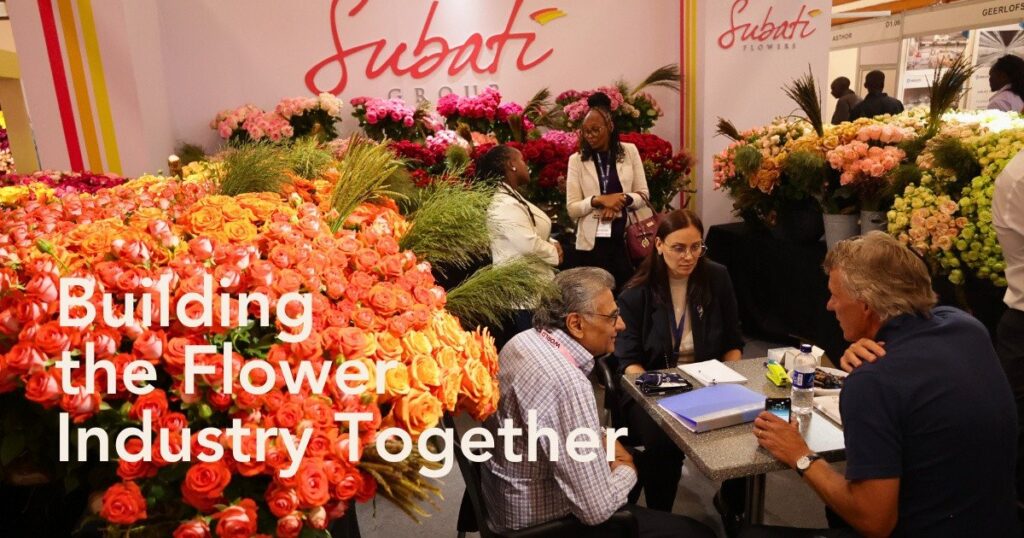
For three days, from June 2 to 4, the Visa Oshwal Center in Nairobi’s Westlands District hosted the 13th International Floriculture Trade Expo (IFTEX), which drew 210 exhibitors from across Africa, Europe, Asia, and the Americas. It was the highest figure in the event’s history, coming at a moment when the industry is facing quite some headwinds, including freight disruptions and costs, and an increasingly complex regulatory environment.
But the message that came through, from the opening ceremony to the last conversations at the exhibition, was that the (Kenyan) flower sector is not just managing these challenges (from a position of weakness), but pushing forward from a position of strength. It is a resilient sector with all the potential to grow even more. So how was the event?
The Ideal Spot for Floral Connection, Networking, and Industry Growth
First things first, the Visa Oshwal Center, in Nairobi’s Parklands neighborhood, has hosted IFTEX for years, and those who regularly attend the event will easily tell you a lot more about the venue and how it now could be said to be synonymous with this floral fair.
Even so, despite a relatively slow start in the early hours of the first day, over the remainder of the three days of IFTEX 2026, the exhibition halls (including a temporarily extended section) were full of that unmistakable floral feel. They were dense with flowers, colors, dynamism, people in motion, engagement and networking, flower commerce, and much more.
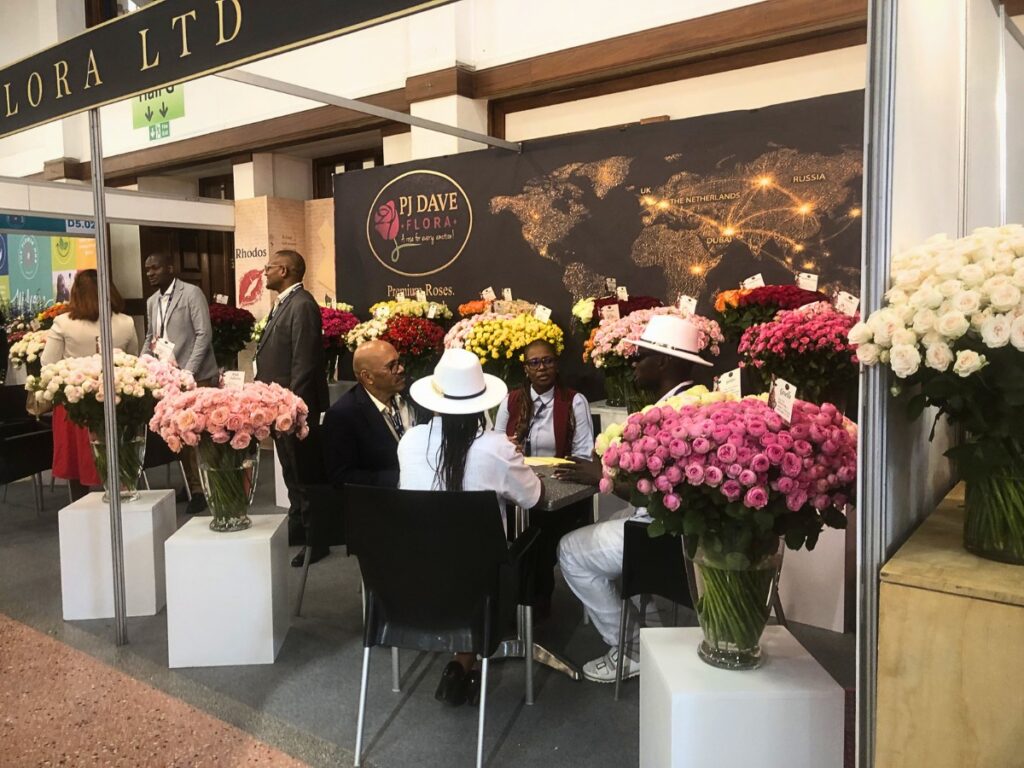
The booths ranged with multi-variety assortments from different breeders and growers, and others in the flower value chain. Some featured elaborate design displays, others beautiful and novelty flowers in vases, all of which couldn’t go unspoken about by the attendees.
Yet, perhaps, one would say, the presence of numerous new entrants in the event, alongside the traditional participants, pretty much communicated the positive message that the whole event was not all about a forced optimism of an industry papering over challenges and difficulties, but an indicator of a flower sector that has a strong enough foundation to keep building on an upward trajectory.
The Record Turnout and What It Said (and Meant)
The roughly 210 exhibitors at IFTEX 2026 represented a roughly 11% increase on the 189 who attended in 2025, and marked the highest participation in the event’s more-than-a-decade-long history. But there was more that made it all important in that nearly one-fifth of the exhibitors were new entrants appearing on that international stage for the first time, which says quite a lot.
HPP CEO Dick van Raamsdonk, who organizes IFTEX, noted this at the opening ceremony, restating: “This year we have broken the previous record with 210 exhibitors under one roof, and one-fifth of the exhibition space was taken up by first-timers.”
For observers of IFTEX over the years, the event’s growth arc is quite telling, speaking of growth that hardly happens in an industry that has little confidence in its own future, but one whose people believe that being at the global table and maintaining momentum is worth the investment.
At the exhibition itself, you wouldn’t help but see the positivity (and optimism). The show was bigger than its predecessors. There were a lot more flowers than previously, including new varieties and novelty introductions.
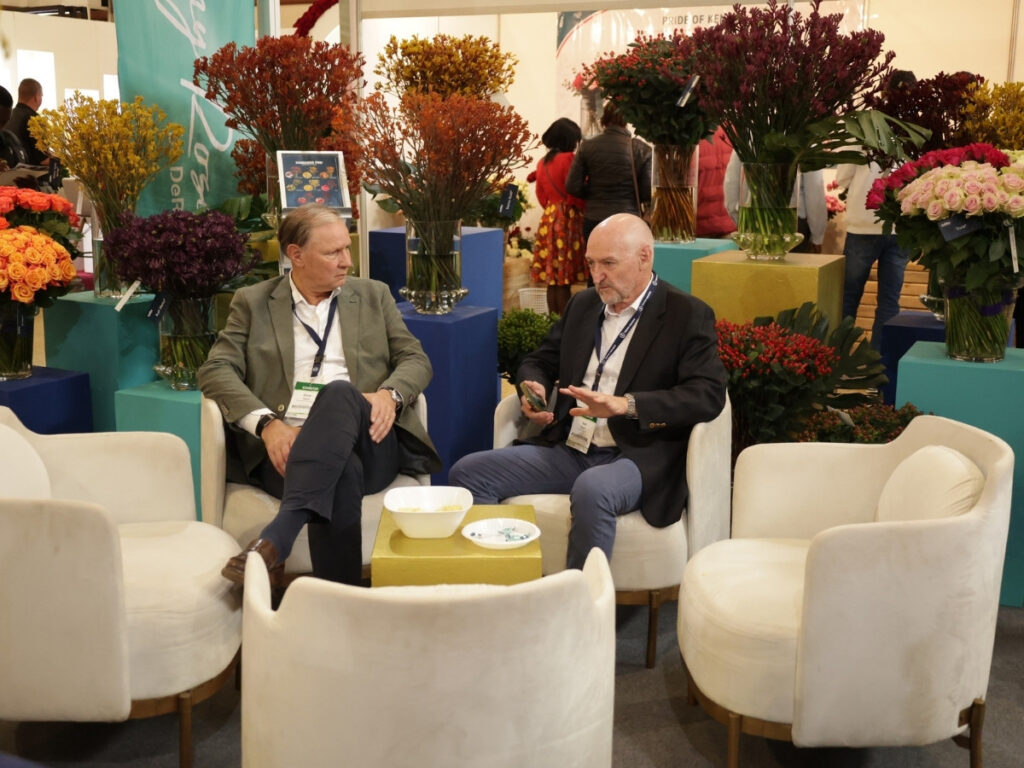
Breeder De Ruiter, for instance, had a lot to offer. Their DREA’ME Collective was quite a hit. The breeder’s Big Five roses’ varieties, other new entrants, alongside their Anigozanthos, Hypericum, and Agapanthus, also made visiting their stand quite an experience.
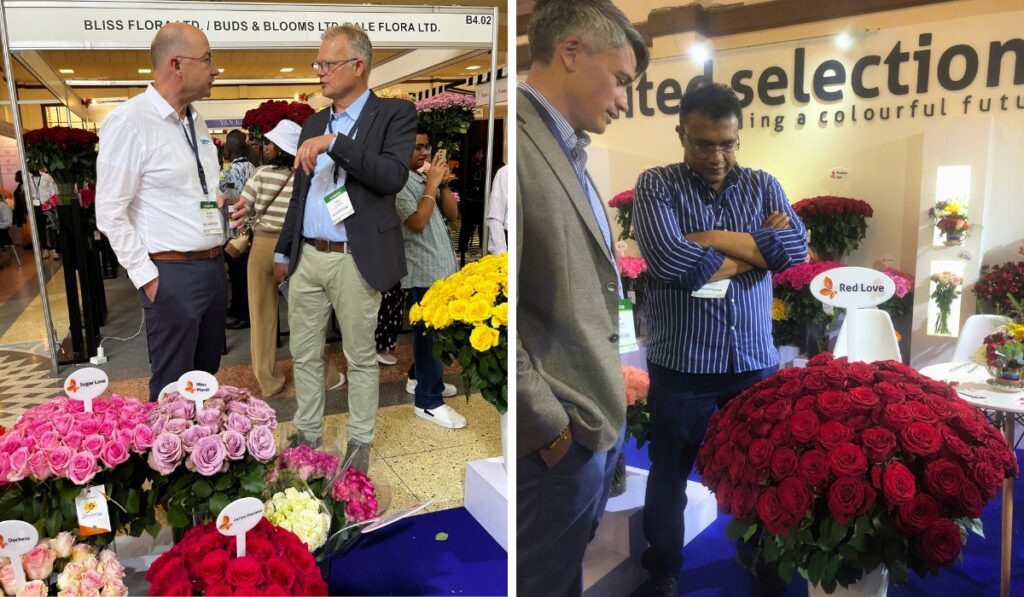
Elsewhere, while breeder United Selections’ new premium Red Love rose may, perhaps, have stolen the show, attracting the attention of many who visited their stand, the rest of their varieties did not falter, either. Their traditional heavyweights (including their Blossoms series) maintained their appeal.
Plus, at the Meilland booth, a delighted Rowan Godfrey had all the positives to say about the event. The breeder introduced their new super premium red rose, Red MONARCH® Meiriposo. Many others made a presence at the show.
Danziger, Interplant Roses EA Ltd., Viking Roses, Murara Plants Limited, Könst Alstroemeria, Takii Europe B.V., Icon Selections, NIRP East Africa Ltd, Dummen Orange, Ball Floriculture Kenya, Deliflor Chrysanten B.V., Selecta, Anthura, Schreurs East Africa Ltd., Georges Delbard, Select Breeding, and many more were there.
The growers were equally numerous. Marginpar made an appearance at this year’s show, as well as others like Red Lands Roses, Tambuzi Ltd, Uhuru Flowers, Karen Roses, Sian Flowers, Black Tulip Group, Fontana Flowers, Subati, Isinya Roses, EMF Kenya Ltd, AAA Flowers, Exceptional Africalla, Mona Flowers, Van Helvoort Company-Kenya, P.J Dave Flora, P.J Dave Flowers, Ole Engai Growers Ltd., Lenana Flowers, Mzurrie Flowers, Imani Flowers, Kikwetu Flowers, Benev Flora…and well, these are just a fraction!
Many other players making the industry a success also took part in this event. Think of the Kenya Flower Council (KFC), Ethiopian Horticulture Producer Exporters Association (EHPEA), MPS, Fairtrade Africa, Royal FloraHolland, Chrysal Africa Ltd., Dutch Flower Group (DFG), Kuehne + Nagel, Octoflor Kenya Ltd., Airflo Ltd, Oasis Floralife Africa Ltd., and others.
But even then, the mood at the show said all one had to know about the positivity, enthusiasm, and resilience of the industry, and painted a picture of what the flower sector looks like, more so for Kenya.
What Kenya Has Built in Terms of Its Floriculture Industry
Any serious discussion of the Kenyan flower industry, and the challenges it has resiliently faced, often begins with the extent of what it has built over the past three decades, because the industry’s spirit is inseparable from that. Kenya is today Africa’s largest flower exporter, the leading supplier of rose cut flowers to the European Union (EU), and the third-largest exporter of cut flowers globally.
In 2025, despite the prevailing headwinds, the country recorded horticultural exports worth at least USD 1.1 million, with cut flowers accounting for 62% of that total. Roses made up roughly 69% of all flower exports, shipped to destinations across the world.
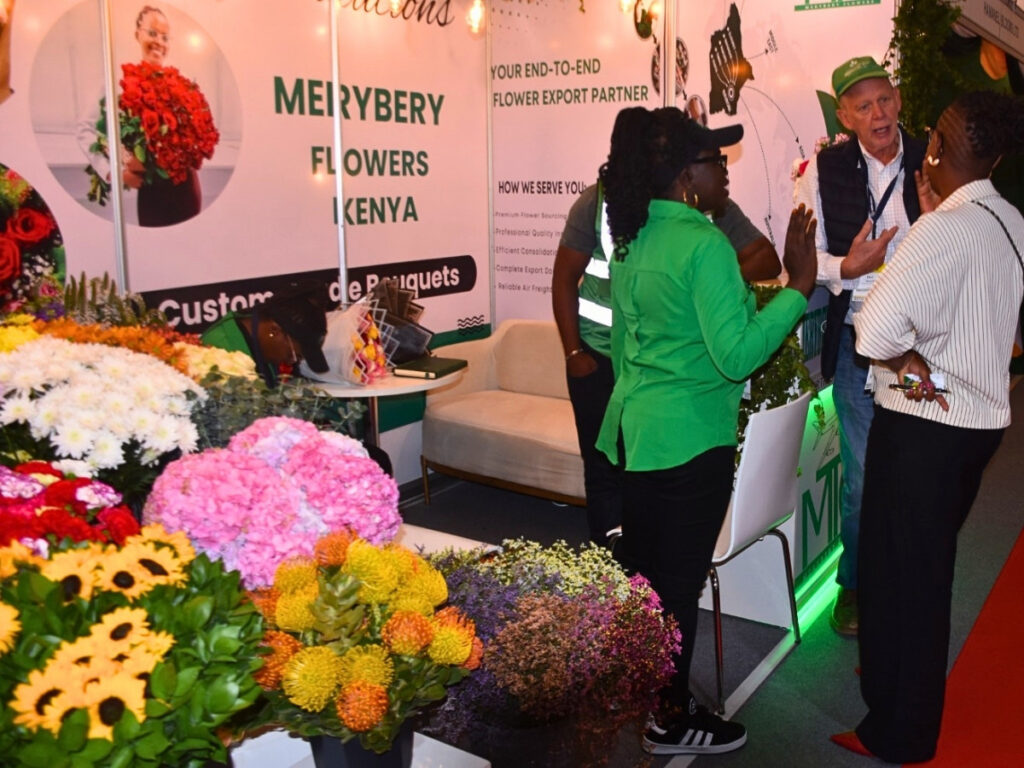
The sector generates approximately USD 850 million annually and supports more than 200,000 direct jobs, with women making up more than 60% of the primary agricultural workforce. Kenya’s Cabinet Secretary for Investments, Trade and Industry, Lee Kinyanjui, articulated this during the 2026 IFTEX opening ceremony, noting: “For us as Kenyans, flowers represent jobs, livelihoods, enterprise, innovation, foreign exchange earnings, community development, women empowerment, and economic opportunity.”
KFC CEO Clement Tulezi held the same view, noting: “Flowers (and the flower industry in Kenya) mean jobs, school fees, healthcare, empowerment, and much more.” Yet far from being just rhetorical flourishes, these benefits describe an industry that has become structurally essential to Kenyan society, and those who lead it understand that responsibility.
On Costs and the Economics of the Flower Industry
But the candor at IFTEX 2026 around supply chain economics was one of its defining features: there was a lot that had to be noted. In the past several months, air freight rates have risen sharply, pushing logistics expenses to as much as 60% of export costs during peak periods.
KFC estimates that approximately USD 4 million in flower exports is at risk every week as a result of shipment delays and the perishability pressures that come with them. Some growers have even experienced great revenue losses during such periods of acute disruption.
But Cabinet Secretary Lee Kinyanjui offered some positive feedback on the Kenyan Government’s response, including a budget-cycle proposal to reduce the export VAT withholding rate, which would free up some cash flow for growers. There were also commitments to invest in cold-chain infrastructure at Nairobi’s main cargo hub.
A Mutually Beneficial Relationship With the EU
The EU was represented at the opening of the 2026 IFTEX by Filippo Amato, the Head of the Trade Section at the EU Delegation to Kenya. His address also provided an enunciation of how important this trading relationship has become, given that Kenya supplies more than 40% of flowers imported into the EU. The Kenya-EU Economic Partnership Agreement, in effect, guarantees duty-free, quota-free access for such Kenyan products in European markets.
Also, the EU’s Global Gateway strategy is now exploring cold-chain investment at the Nairobi Inland Container Depot, plus the EU’s Business Environment and Export Enhancement Program has also been supporting logistics infrastructure and green supply chain development. “Together, we can continue to build a trade relationship that is not only larger, but also more sustainable, inclusive, and resilient.” — Filippo Amato
This commitment comes at a time when Kenya is also working to reduce its dependence on just a single (particular) market. Yet the prevailing positions do not conflict with each other since a strengthened EU relationship and an active diversification strategy toward regions like North America, the Middle East, Eastern Europe, and Southeast Asia are complementary objectives. And IFTEX 2026 showed how the industry in Kenya is pursuing both ideas with equal seriousness.
About Compliance, Breeders’ Rights, and the Long Game
To a great extent, Kenya’s export competitiveness lies in its phytosanitary record, and at the IFTEX 2026, detailed attention was given to this. The Kenya Plant Health Inspectorate Service (KEPHIS) reported continued progress in digitizing certification systems and reducing interceptions related to challenges like the False Codling Moth (FCM), which is a key compliance concern in EU markets.
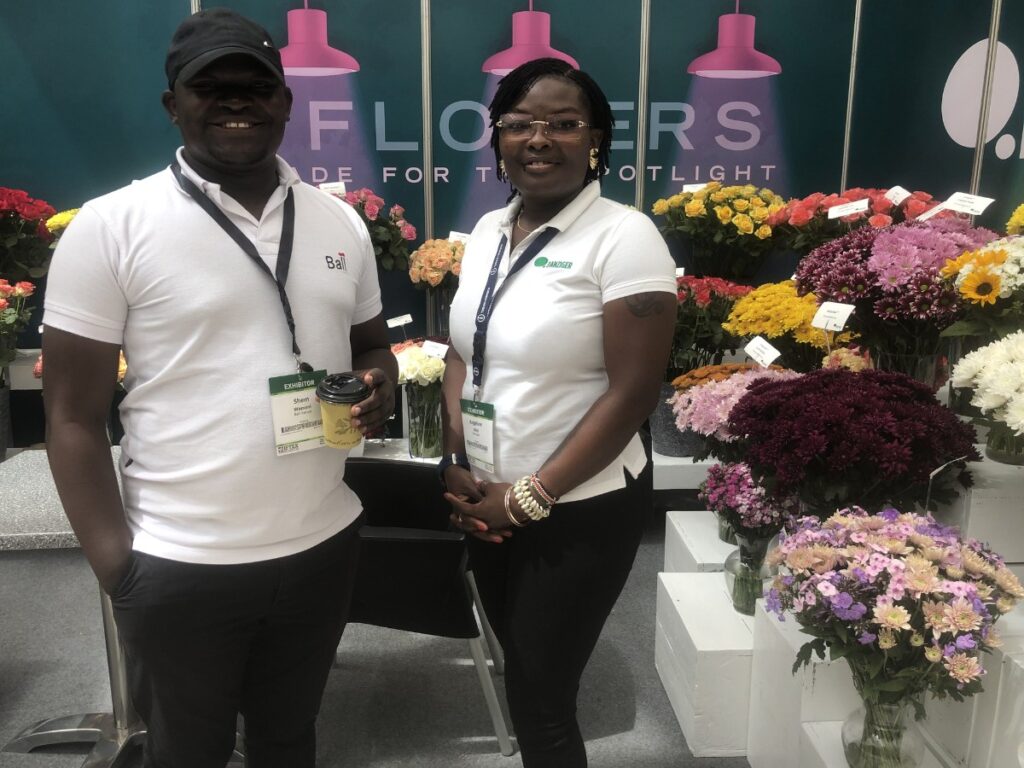
“Adherence to market requirements is (now) not just a regulatory necessity but Kenya’s premier competitive advantage.” — Dr. Isaac Macharia, KEPHIS Director of Phytosanitary and Biosecurity Services
Also worth noting is that Kenya has now granted over 2,066 plant breeders’ rights, approximately 1,300 of which cover cut flowers. This legal framework is important in that it creates the ideal conditions for breeders to be able to continue committing investment to developing new varieties, and hence, more growers and investors can put in more investment. Such transparent structures are, in themselves, part of the value proposition that the Kenyan flower industry has to offer.
IFTEX 2026 closed with the sense of an industry that has assessed its position globally and keeps moving forward deliberately, not just making reactive steps. The record turnout and all the commitments made at the expo all indicated that Kenya’s flower sector is building toward something even bigger, and not just defending what it has already achieved!
IFTEX always has exhibitors awarded. In the 2026 edition, those awarded were:
Best Stand Design Awards:
- Bronze – Elgon Kenya Ltd
- Silver – Ole Engai
- Gold – Blooming Africa (Sosiani)
- Platinum – Interplant Roses East Africa
Best Exhibited Flowers Awards:
- Bronze – Cenacle
- Silver – Flora Delight
- Gold – Azali Roses
- Platinum – Omang & Amor
Source: Thursd.
—
FAQ
What is IFTEX and where does it take place?
The International Floriculture Trade Expo (IFTEX) is Africa’s largest flower industry trade fair, held annually in Nairobi, Kenya at the Visa Oshwal Community Center in the Westlands/Parklands District. Organized by HPP International, the event brings together growers, breeders, exporters, buyers, logistics providers, and regulators from across the global floriculture value chain. The 2026 edition, held June 2 to 4, was the 13th in the event’s history and drew a record 210 exhibitors.
How significant is Kenya in global flower trade?
Kenya is Africa’s largest flower exporter, the world’s leading supplier of rose cut flowers to the European Union, and the third-largest exporter of cut flowers globally. In 2025, cut flowers accounted for 62% of Kenya’s total horticultural export value, with the sector generating approximately USD 850 million annually and supporting more than 200,000 direct jobs. Women make up over 60% of the primary agricultural workforce in the sector.
What are the primary challenges facing Kenya’s flower growers?
Freight costs have recently emerged as a key challenge. Air freight rates have risen from around USD 3.10 to nearly USD 5.00 per kilogram, pushing logistics expenses to as much as 60% of export costs during peak periods. The Kenya Flower Council estimates approximately USD 4 million in exports is at risk weekly due to shipment delays and perishability. Others include rising agricultural input prices, compliance and certification requirements, delays in VAT refunds, and the need to maintain strict phytosanitary standards for the EU and other markets.
Which new markets is Kenya targeting for flower exports?
Outside of the traditional EU bloc, which remains the primary market, Kenya is actively targeting North America, the Middle East, Southeast Asia, and Eastern Europe. Industry leaders at IFTEX 2026 described diversification as a strategic priority rather than a contingency measure, reflecting a general shift away from dependence on any single trading bloc.
What role does KEPHIS play in Kenya’s floriculture sector?
The Kenya Plant Health Inspectorate Service oversees phytosanitary compliance for Kenya’s plant exports, working to reduce pest-related interceptions at destination markets and digitizing certification processes to strengthen Kenya’s compliance record.
Viking Roses at IFTEX 2026
Published: May 4, 2026
In 1995 John Williams started Harvest Limited in Athi River, Kenya, pioneering in spray roses and introducing them to the European market.
It has taken some decades, but today, more and more spray varieties survive the first few days in the vase and all rose breeders have sprays in their breeding programs. The spray rose is following in the footsteps of the spray carnation, with hundreds of hectares of production, increasing daily.
In 1996 Rosa Eskelund started her own rose breeding in her and her husband Harley’s own firm of Roses Forever. Her genetic base was in miniature and garden roses and, cut roses, branded as Viking Roses, followed some 10 years later, known for garden shapes, bright colors and, more and more, fragrance.
Today we see an increasing focus on garden sprays in Kenya, Ecuador, The Netherlands and even Ethiopia, and a shift from bouquet fillers to centerpieces. Big flowers, wild colors and shapes, preferably fragrant, as long as transportability and vase life are ok.
Up the ally of Viking Roses …
At IFTEX 2025, Karen Roses was the first to present the stunning Rosa Loves Me® Radiant Rebecca, to be followed this year by Rosa Loves Me® Beyond Venus through Subati Flowers.
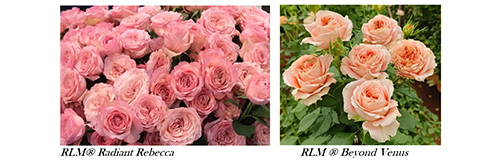
More to Follow …
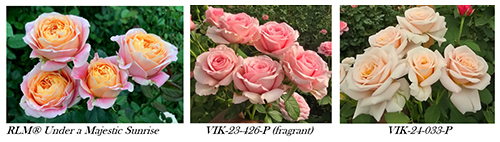
And more …
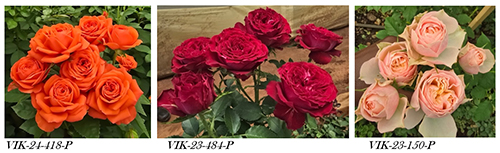
Check out our trials in the Nakuru area, or our stand at IFTEX 2026, stand A2.08. Or visit Viking Roses website.
Earlier detection and smarter timing: PATS innovations at IFTEX 2026
Published: April 29, 2026
With stricter export requirements and the risk of rejected shipments, growers cannot afford to miss the right moment in pest control. As biological control becomes the standard, timing is more critical than ever.
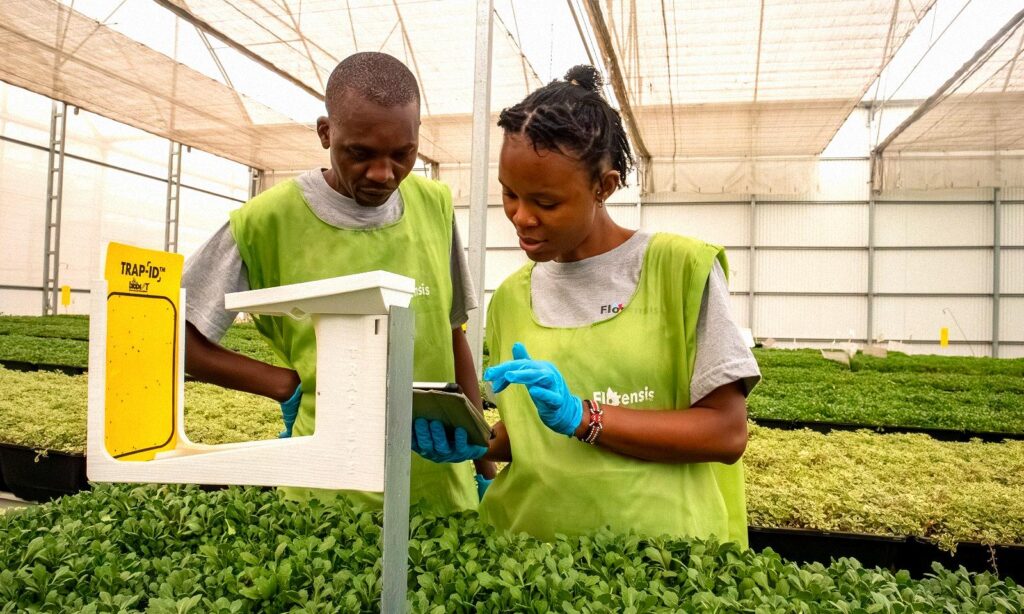
In countries such as Kenya, moth pests remain a key challenge for growers, with species like False Codling Moth (FCM) among the most well-known. Managing moth pressure requires acting at the right moment, before populations build up and become difficult to control.
At IFTEX 2026, PATS will again present its latest innovations in automated pest monitoring and prediction, designed to help growers move from reacting to anticipating pest pressure.
The PATS-C system uses AI to detect and identify moth species in real time, providing continuous insight into pest activity inside the greenhouse. Building on this proven foundation, new functionalities are being introduced in 2026, including enhanced detection performance and additional data inputs such as environmental sensors. These improvements provide growers with more accurate and contextual insights, helping them recognize pest pressure earlier and act before moth populations develop.
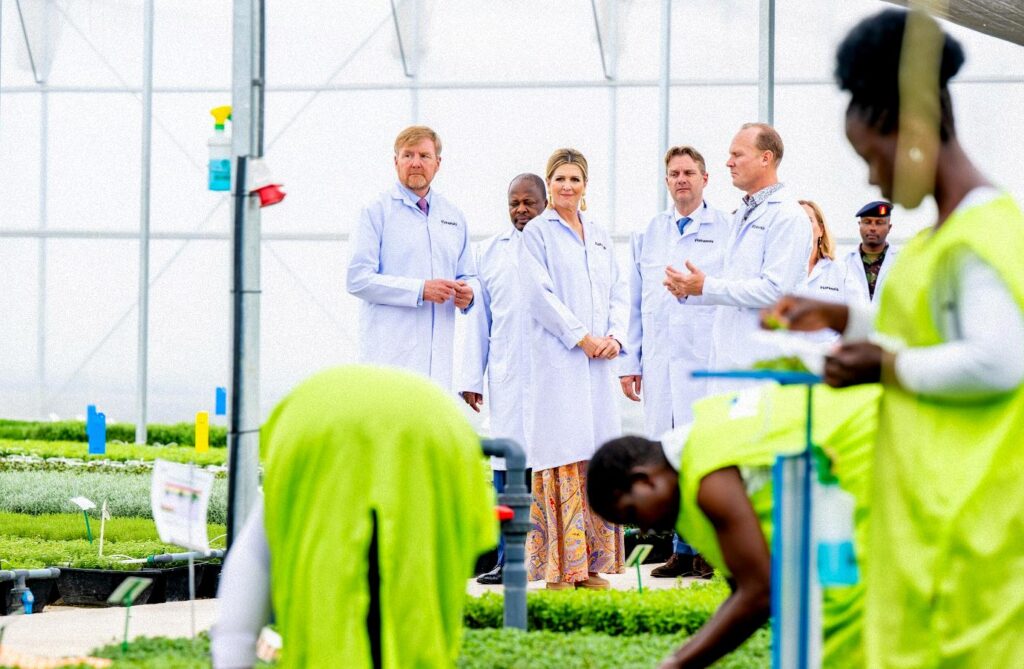
Even with accurate detection, missing the right intervention window can quickly lead to reduced control effectiveness and rapid population build-up.
With tools such as PATS-Kalendar, growers can plan, track, and evaluate interventions more effectively, turning daily observations into a structured, data-driven approach.
In addition, PATS will showcase Trap-Eye™, an automated monitoring solution developed in collaboration with Biobest. Trap-Eye™ digitizes insect counting on sticky traps, delivering consistent and reliable data without manual scouting. This approach is already being applied in practice, including the production location of Florensis in Naivasha, where it supports daily decision-making based on accurate data.
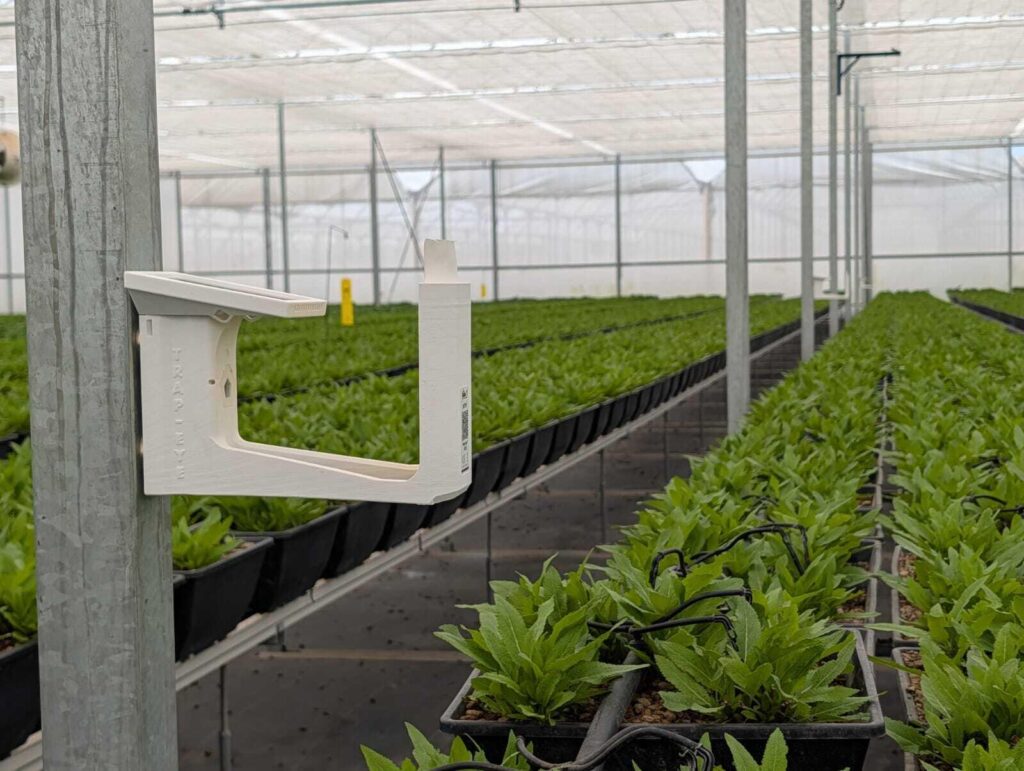
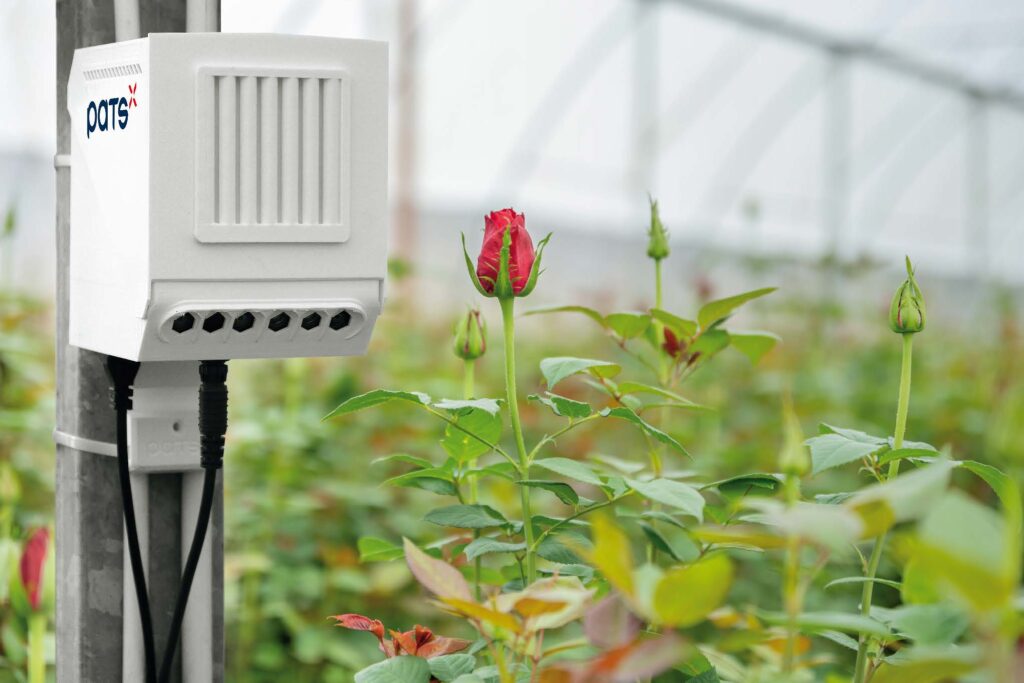
Meet us at IFTEX 2026 and discover how PATS can support your pest control strategy. You can find us at booth G3.01.
Broekhof Africa at IFTEX 2026
Published: April 28, 2026
Broekhof Africa proudly celebrates 11 years of operations in Kenya, reinforcing its long-term commitment to the region’s flower industry. Broekhof continues to strengthen its support to East African growers through innovative packaging and accessory solutions.
With Kenya supplying approximately 35% of Europe’s flowers, Broekhof Africa is strategically positioned close to key farms, delivering value-added packaging solutions including flower sleeves, SFK, flower boxes, and pallets.
Looking ahead, Broekhof introduce its next-generation 70% and 90% recycled sleeves. Made from post-consumer recycled plastic, Recy™ Clear offers excellent clarity, printability.
Mono Polyethylene (PE) Flower Food Packaging
Vaselife’s flower food sachets are manufactured using mono polyethylene (PE), a single-material film widely accepted in global recycling systems. Unlike multi-layer alternatives, mono PE is fully recyclable without complex separation, making it a practical and responsible packaging choice.

In addition to its sustainability benefits, mono PE offers superior strength and flexibility, outperforming mono PP while remaining lightweight and easy to manage. At Vaselife, responsible packaging and sturdy design go hand in hand; they are deliberate choices, not compromises.
Connect with Us
Visit us at this year’s IFTEX Exhibition – Booth D2.01
IFTEX 2026 Shows Industry Confidence in a Challenging Global Market
Published: April 17, 2026
The International Flower Trade Exhibition (IFTEX) returns to Nairobi from June 2–4, 2026, with clear momentum behind it and strong indications that this year’s edition will mark another important milestone for the floriculture sector. Building on the record-breaking success of 2025, the upcoming exhibition is set to welcome more than 200 exhibitors for the first time in its history, underlining both the resilience of the industry and the expanding global relevance of East Africa’s floriculture hub.
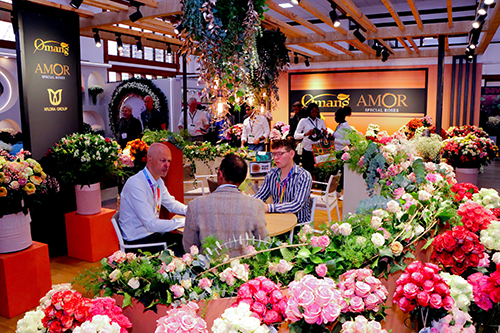
Following last year’s highly successful gathering at the Visa Oshwal Center, where 189 exhibitors from 18 countries participated, IFTEX 2026 reflects a market that continues to invest, innovate, and prepare for long-term opportunity. The increased exhibitor numbers demonstrate that companies across breeding, production, logistics, postharvest technology, and trade continue to view IFTEX as an essential meeting point for strategic business development.
Growth Continues Despite a Complex Global Environment.
This year’s exhibition takes place against a backdrop of ongoing geopolitical uncertainty. International supply chains remain under pressure in several regions, freight costs continue to fluctuate, currency volatility affects planning, and global trade dynamics are evolving rapidly. Yet rather than slowing industry engagement, these realities have strengthened the importance of face-to-face meetings and direct market dialogue.
For many industry players, 2026 is increasingly being viewed as a year in which decisions made now will shape competitiveness over the coming seasons. In that context, IFTEX offers more than an exhibition platform—it provides a practical space where growers, buyers, breeders, suppliers, and logistics partners can evaluate risks, identify opportunities, and build the partnerships needed for future stability.
A Strategic Meeting Point for Action
The strong exhibitor growth confirms that the industry is not waiting for certainty before moving forward. On the contrary, participation at record levels suggests that businesses are actively positioning themselves for what comes next.
Breeders will once again present new genetics designed to answer changing market preferences, growers will showcase improved quality and year-round consistency, while supply chain specialists and service providers are expected to focus heavily on efficiency, reliability, and sustainability.
This broader participation also reflects a clear message: when markets become more complex, direct engagement becomes more valuable.
Kenya’s Role Remains Central to Global Floriculture
Kenya continues to strengthen its position as one of the world’s most important flower-producing countries, and IFTEX remains the clearest international expression of that leadership. Buyers attending this year will again have direct access to a highly concentrated showcase of premium flower production, new varieties, sustainable production systems, and export expertise.
The continued growth of the exhibition also signals confidence in Kenya’s production base, infrastructure, and export capability, even at a time when international markets are navigating uncertainty.
Sustainability and Innovation Expected to Lead Discussions
As in recent editions, sustainability is expected to remain a major focus throughout IFTEX 2026. Environmental compliance, carbon footprint reduction, certification requirements, and responsible production standards are now central commercial priorities rather than side discussions.
At the same time, innovation continues to move quickly across the sector—from breeding and postharvest performance to digital monitoring, freight optimization, and data-led production systems. Exhibitors are expected to present solutions that respond directly to today’s market pressures while preparing businesses for future regulatory and commercial demands.
Why 2026 Matters
This year’s edition arrives at a moment when many companies are reassessing long-term strategy. Uncertainty in global politics and trade has made timing critical: businesses that engage early, strengthen networks, and secure reliable partnerships are likely to be better positioned for future market shifts.
IFTEX 2026 therefore comes at exactly the right time—not simply as a trade fair, but as a place to make practical decisions, explore opportunities, and move with confidence.
Looking Ahead
Surpassing 200 exhibitors is more than a numerical milestone; it reflects a sector that continues to grow in ambition, scale, and international relevance. For returning participants and first-time visitors alike, IFTEX 2026 offers a clear message: despite global uncertainty, floriculture continues to move forward—and the businesses shaping tomorrow’s market will be those actively present today.
Beware of attendee list scams and unofficial exhibiting listings!
Published: June 29, 2023
We would like to alert you to the presence of “unofficial” companies that are actively approaching attendees and exhibitors with offers to publish, purchase or order exhibitor/attendee lists from IFTEX. It is unfortunate that some past participants have become victims of these deceptive practices.
We want to emphasize that HPP Exhibitions, the organizer of IFTEX, does NOT provide visitor contact details to any third parties. Therefore, we strongly advise against responding to these requests, as these companies do not possess the genuine attendee list and are attempting to scam you.
Please remain cautious and vigilant when dealing with any communication regarding attendee lists. Protect your personal information and be wary of unsolicited offers that may compromise your security.
If you have any concerns or questions, please reach out to the official IFTEX organizers directly. Your trust and safety are our top priorities, and we are committed to ensuring a secure and successful event for all participants.
Beware of possible hotel fraud
Published: June 29, 2023
There are ‘unofficial’ companies aggressively pursuing attendees/exhibitors to book discounted hotel rooms through their company. Unfortunately, some past attendees/exhibitors have fallen prey to these companies and have either:
- Been relocated with little or no warning
- Lost their significant deposits
- Not had the guest rooms they thought they had booked
- Not had the hotel they thought they had booked
- etc.
This has caused great hardship to these companies and individuals. Reservations made through an agency will be at your own risk. We advise you to book directly with hotels and not through a third party.
Such companies should be avoided, as there are no agencies affiliated to HPP Exhibitions, other than those mentioned on our website!
Exhibition Hours
Wednesday June 2, 2027
Opening Ceremony
09:00 hrs. - 11:00 hrs
Show Hours
11:00 hrs. - 18:00 hrs.
Registration closes at 17:00 hrs.
Thursday June 3, 2027
Show Hours
10:00 hrs. - 18:00 hrs.
Registration closes at 16:00 hrs.
Friday June 4, 2027
Show Hours
10:00 hrs. - 16:00 hrs.
Registration closes at 14:00 hrs.
Venue Address
Visa Oshwal Center
Ring Road Parklands
Nairobi
Kenya
Contact Info
HPP Worldwide
P.O. Box 625
1000 AP Amsterdam
The Netherlands
Email: info@hpp.nl
HPP Kenya
Ms. Michelle Mwangi
Email: michelle@hpp.nl
Organiser
Governmental Support
Sector Support
Media Partners





















© 2026 HPP Worldwide, All rights reserved.